

The Records and Archives Centre was established in 1979 as the official repository of the records of the Anglican Church within the Diocese of Brisbane.
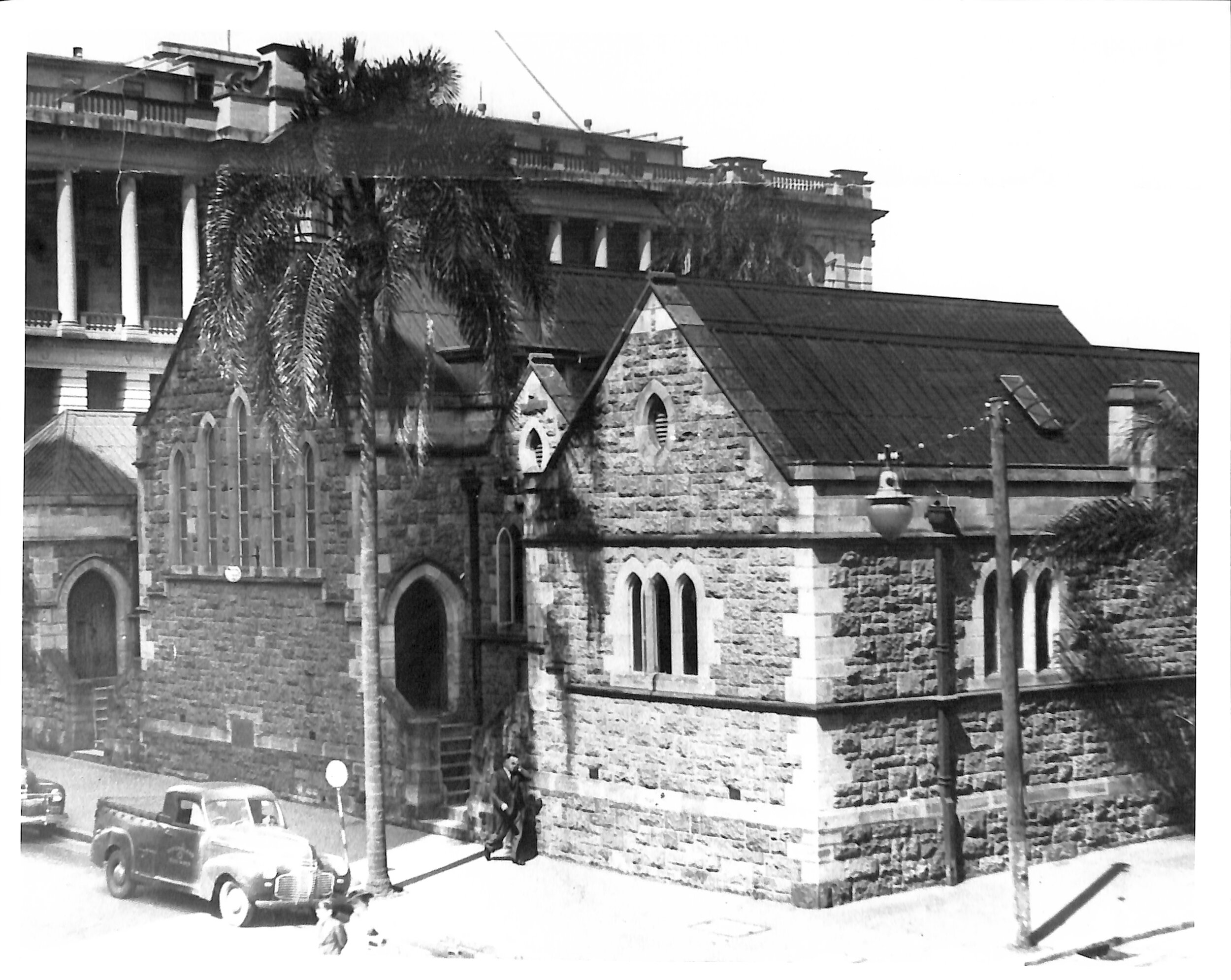
History of the Church in Queensland
Archives are important to the community because they hold many records and other information of interest to a broad spectrum of people. Such information includes local and family history, social and political history, details of special events, design of housing and other buildings, and town planning amongst other details of interest.
This information may be found in various forms and media, for example, letters, diaries, minutes of meetings and other organisational records, drafts of literary creations, scrap books, newspaper clippings, photographs, leaflets of special events, medals and other artefacts. Sometimes it is difficult to find information from a photographic collection when the relevant names of people, places and events may be missing. However, much valuable information may still be gleaned from a single identified photograph.
Useful Links
Archives (Snapshot of OLD WEBSITE)
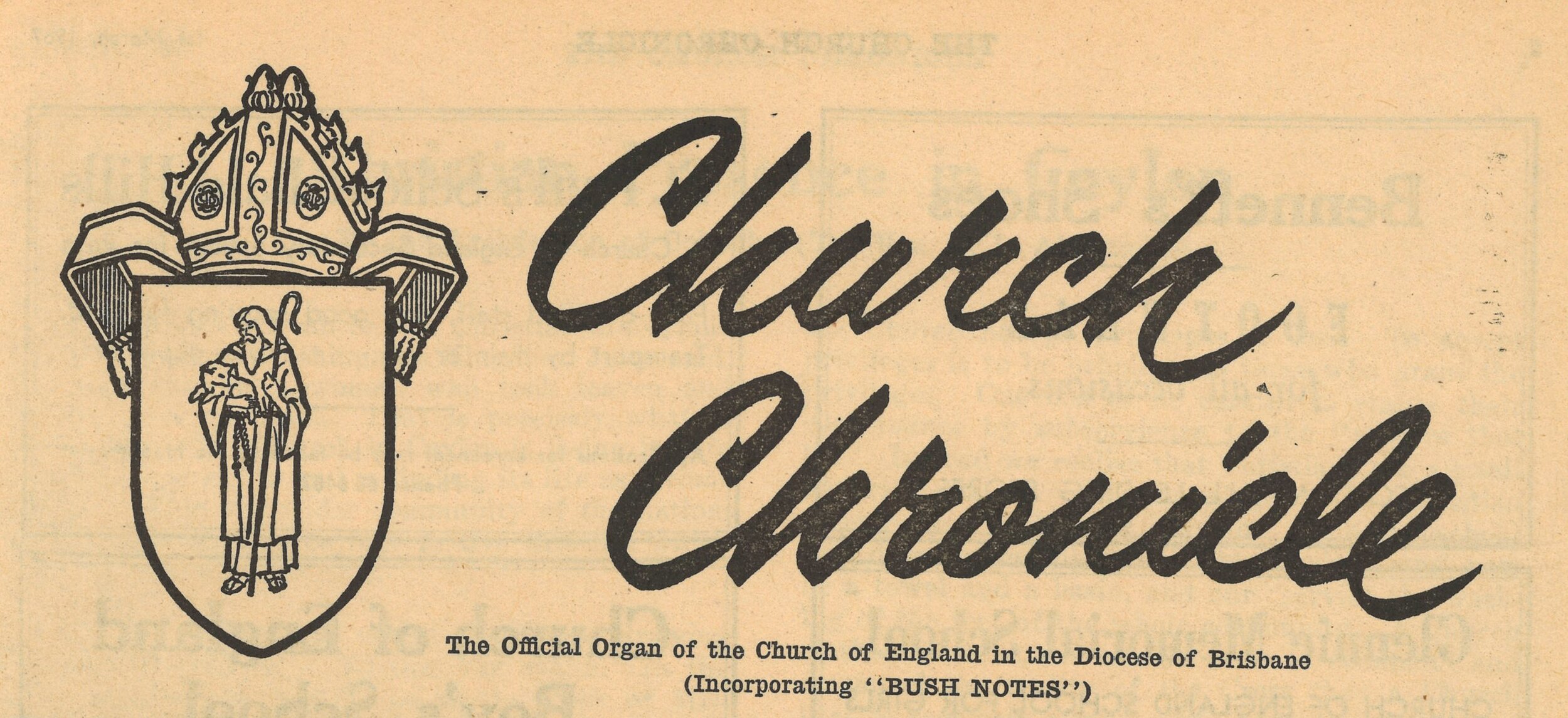
Church Chronicles
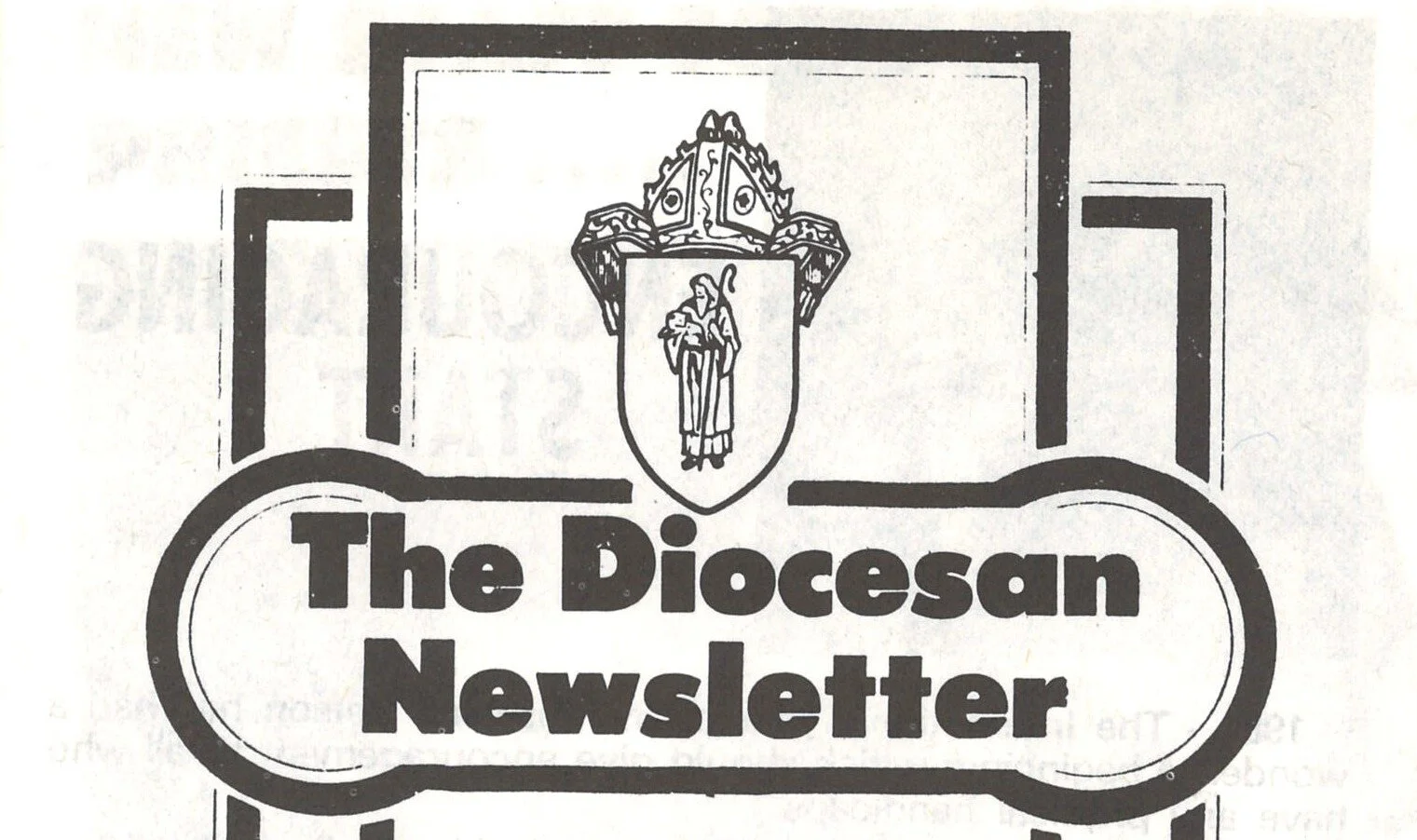
Brisbane Diocesan Newsletter
.
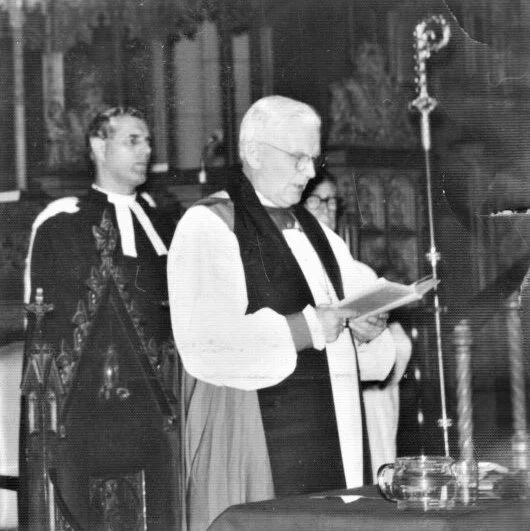
Archbishops and Bishops
The Importance of Religious Archives
Religious records are more than lists of services held in churches. Since medieval times churches were considered the heart and soul of the community. The monks and priests of that era were the educated members of society. Therefore the records would reflect not just the Christian activities, but the social and cultural happenings as well.
Although the records held in the Records and Archives Centre do not date back to the middle ages, we do have a wide-ranging collection of registers, minute books, correspondence, published magazines and year books, building plans, photographs, and other historical documents and memorabilia. This broad selection of church and social history provides a wealth of information for the professional researcher or amateur historian.
Image Exhibitions
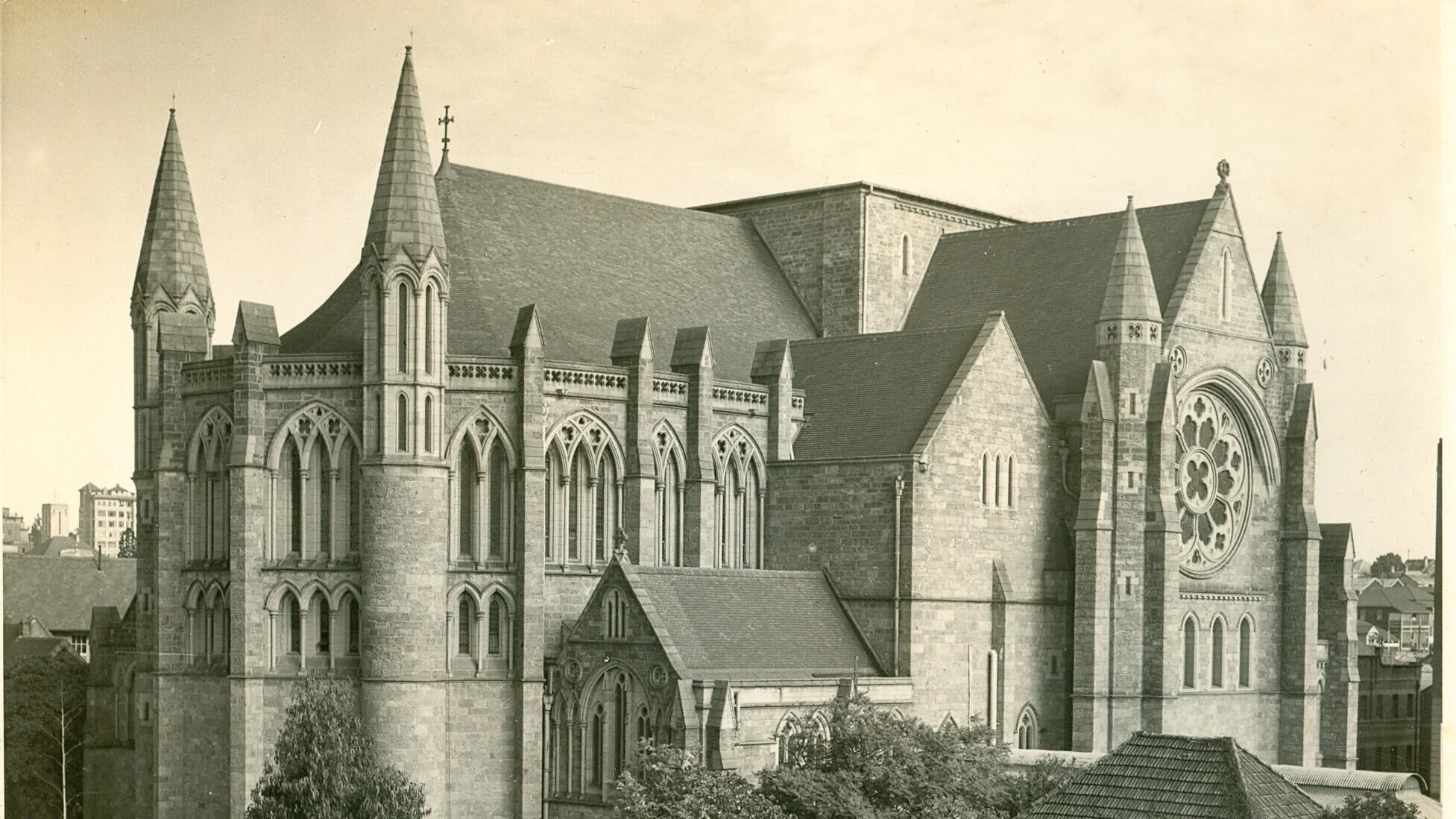
Our Cathedral
Military Chaplains
INDEXES AND FINDING AIDS
Marriage Index
This index is for Marriage Registers (1843-1910) for the Diocese of Brisbane, covering the area from Bundaberg to Coolangatta and west to the South Australia / Northern Territory borders.
The index was created in 1999 from marriage registers as then held by the Archives. Since then, the majority of registers as transferred to the Archives have been after 1910.
There are a number of ‘tags’ in the index which signify the following:
Marriage Index 1843 - 1910
· [W] Widow or Widower
· [B] Marriage Blessing
· [D] Remarriage of divorced person
· [FNP] or [TSI] Entry includes reference to First Nation
Person/s
· [SSI] Entry includes reference to South Sea Islander
· [*] Some irregularities in the record (such as entry not
signed by all parties)
· [?] Full information either not supplied, transcript is doubtful, not possible to decipher or confirm from other sources
· [RM] Remarriage – e.g. previously married in Roman Catholic church
Every effort has been made to check and confirm the entries in this index - in particular, where the transcript is hard to decipher. Where the spelling of a name is unclear, we have deferred to the online marriage entries as published by the Queensland Registrar-General for Births, Deaths and Marriages.
Please contact the Archives if you have a question or enquiry regarding the content of any of the index entries, or for marriages conducted after 1910.
Baptisms - Gayndah
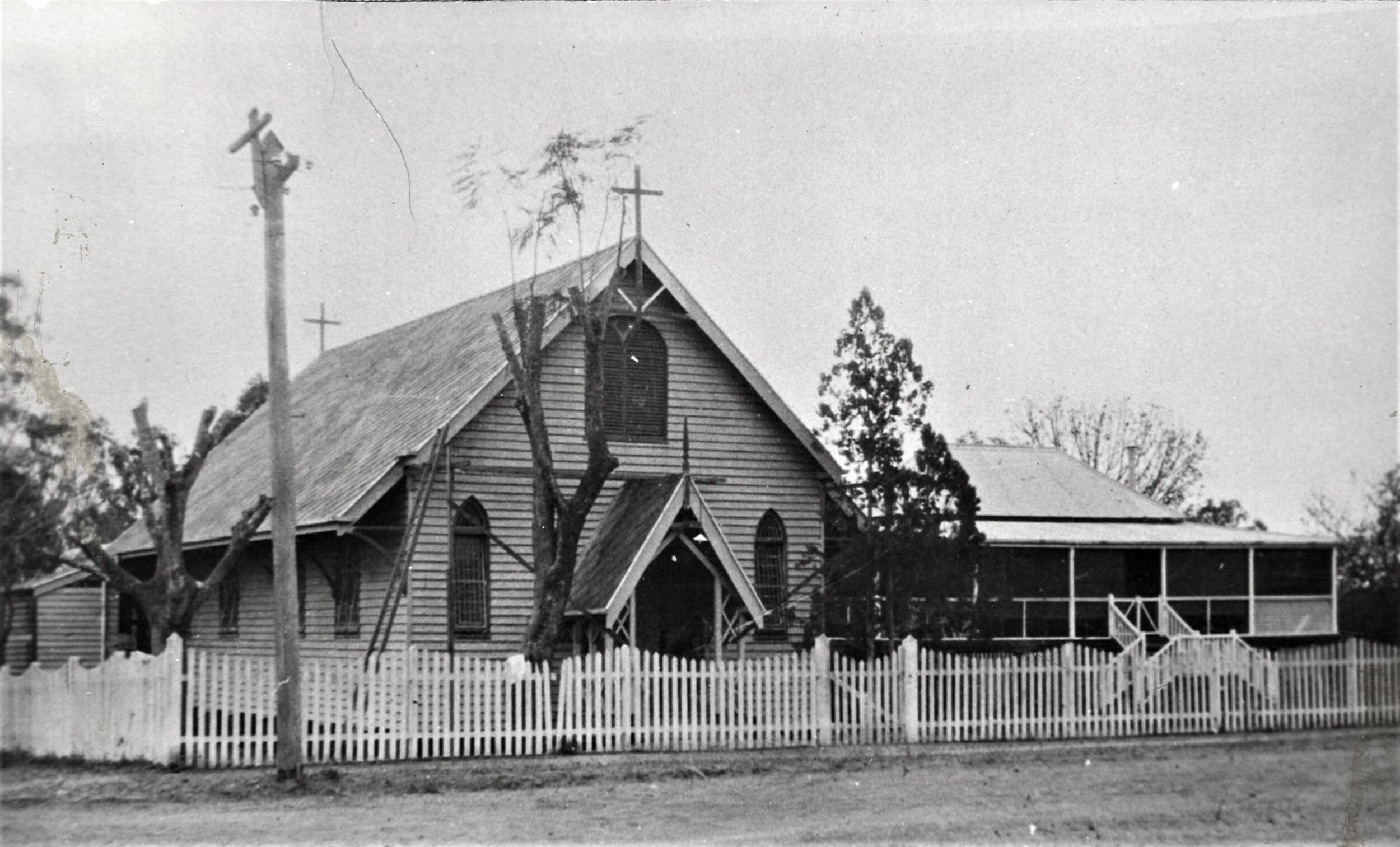
Baptisms in the Gayndah parish
1860-1894
This index covers the baptisms recorded in the first Baptism Registers for the Parish of Gayndah. The register contains entries for the Burnett District (1860 to 1877) and for Gayndah (1891 to 1894). There is a second register (as yet not indexed) which contains entries for Gayndah from 1882 to 1891. The indexes have been collated in the order that they were recorded in the registers.
Several of the entries note German and Chinese settlers, and there are also references to First Nations peoples. Additional information and links from other sources have been included where the individual or family are notable e.g. convict background.
Every effort has been made to check and confirm the entries in this index - in particular, where the transcript is hard to decipher. As with the Marriage Index, we have deferred to the Queensland Registrar-General’s spelling when the transcript is unclear.
Please contact the Archives if you have a question or enquiry regarding the content of any of the index entries.
Bush Notes
Bush Notes was the monthly newsletter produced by the Charleville Bush Brothers, or, to use their later name, the Brotherhood of St. Paul. The Brotherhood covered a large area of southern Queensland, from its headquarters in Charleville to areas such as Cunnamulla, Mitchell, and St. George. The Bush Notes series often included items taken from the Church Chronicle and reproduced, but also vital specific information relating to the territories covered by the Bush Brothers.
Each monthly edition also included pages noting the baptisms, marriages, and burials that the brothers conducted for the previous month. Archival staff have indexed the entries from 1905 to 1960, and links to the indexes are included within the images below.
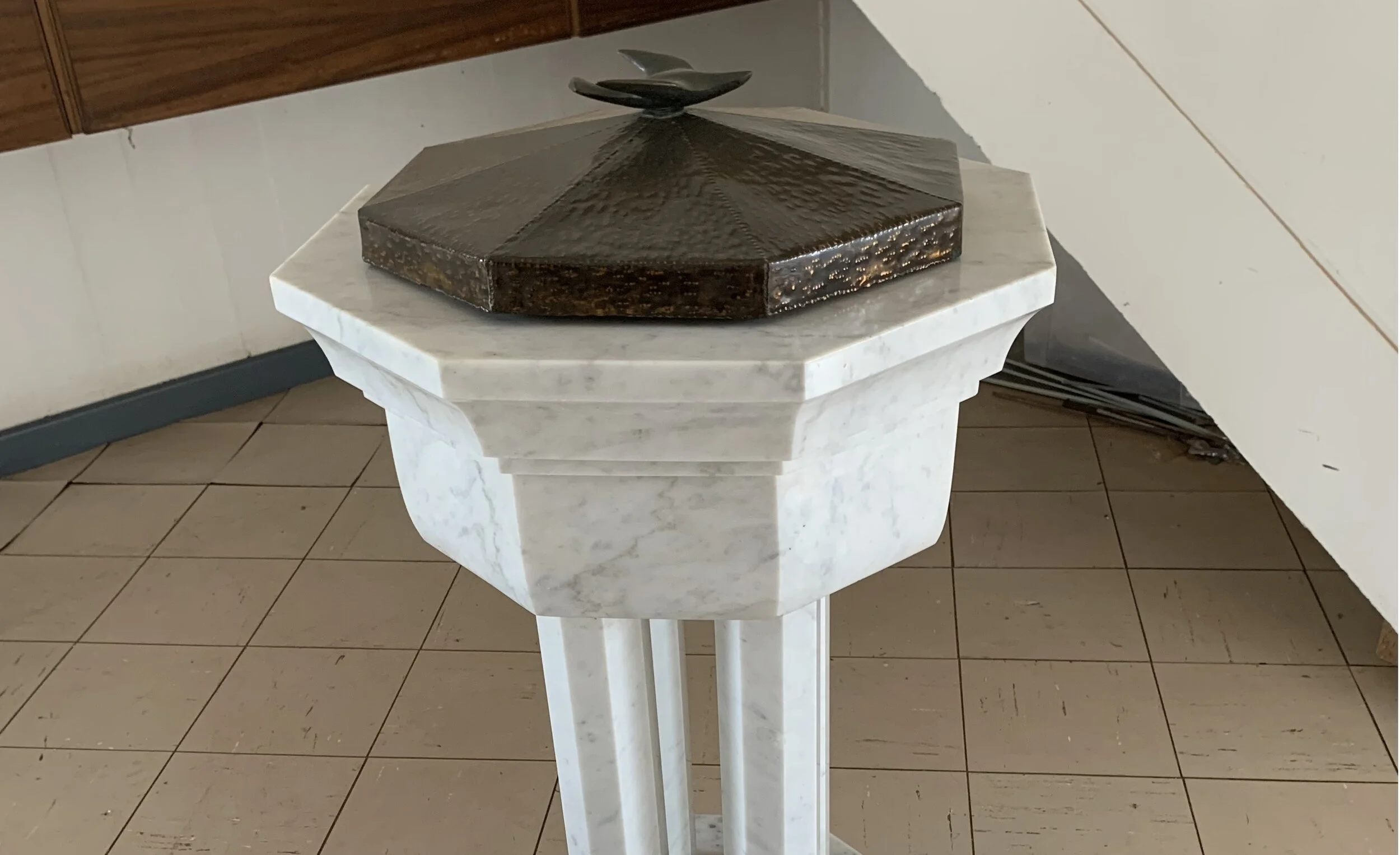
Baptisms
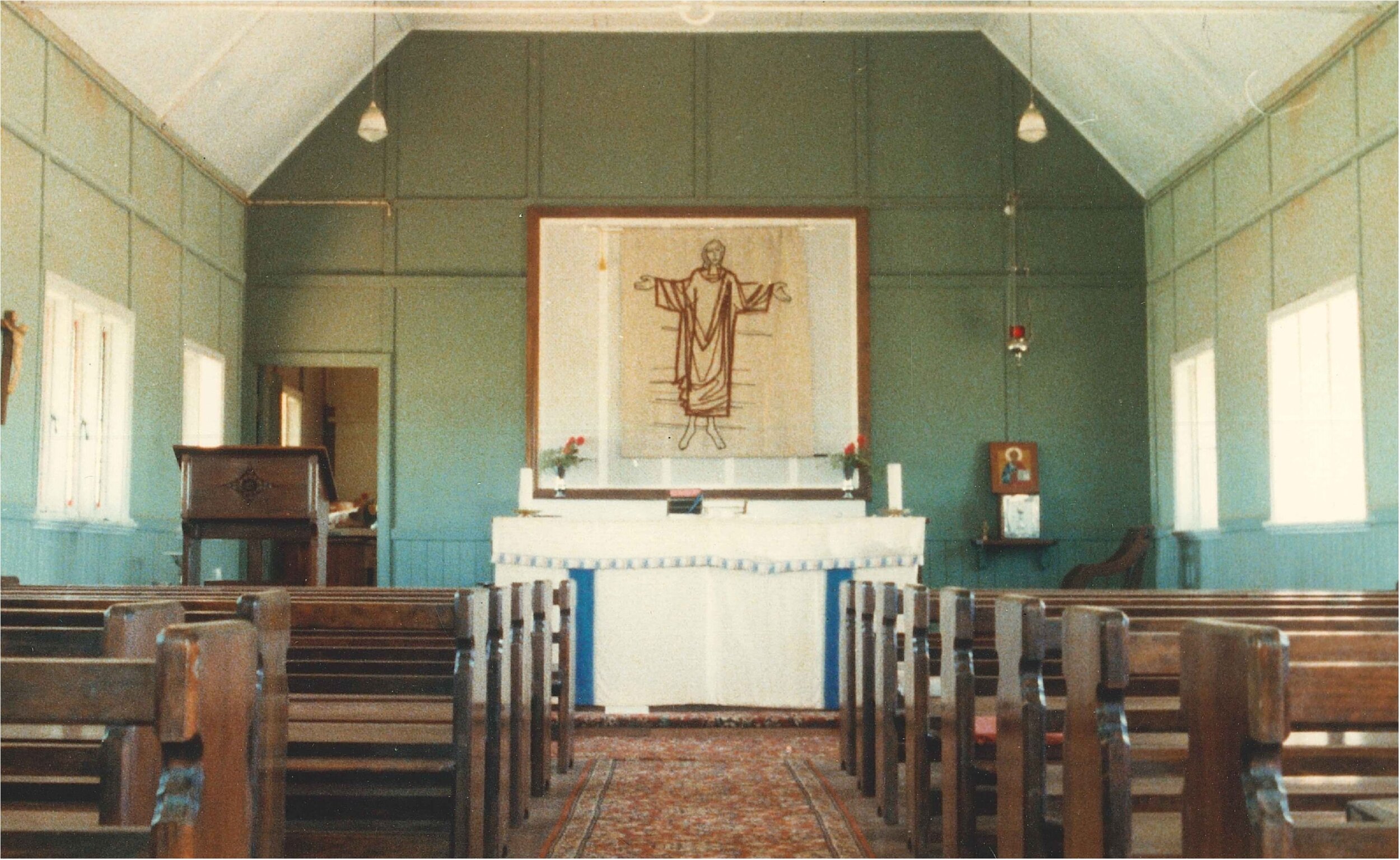
Marriages
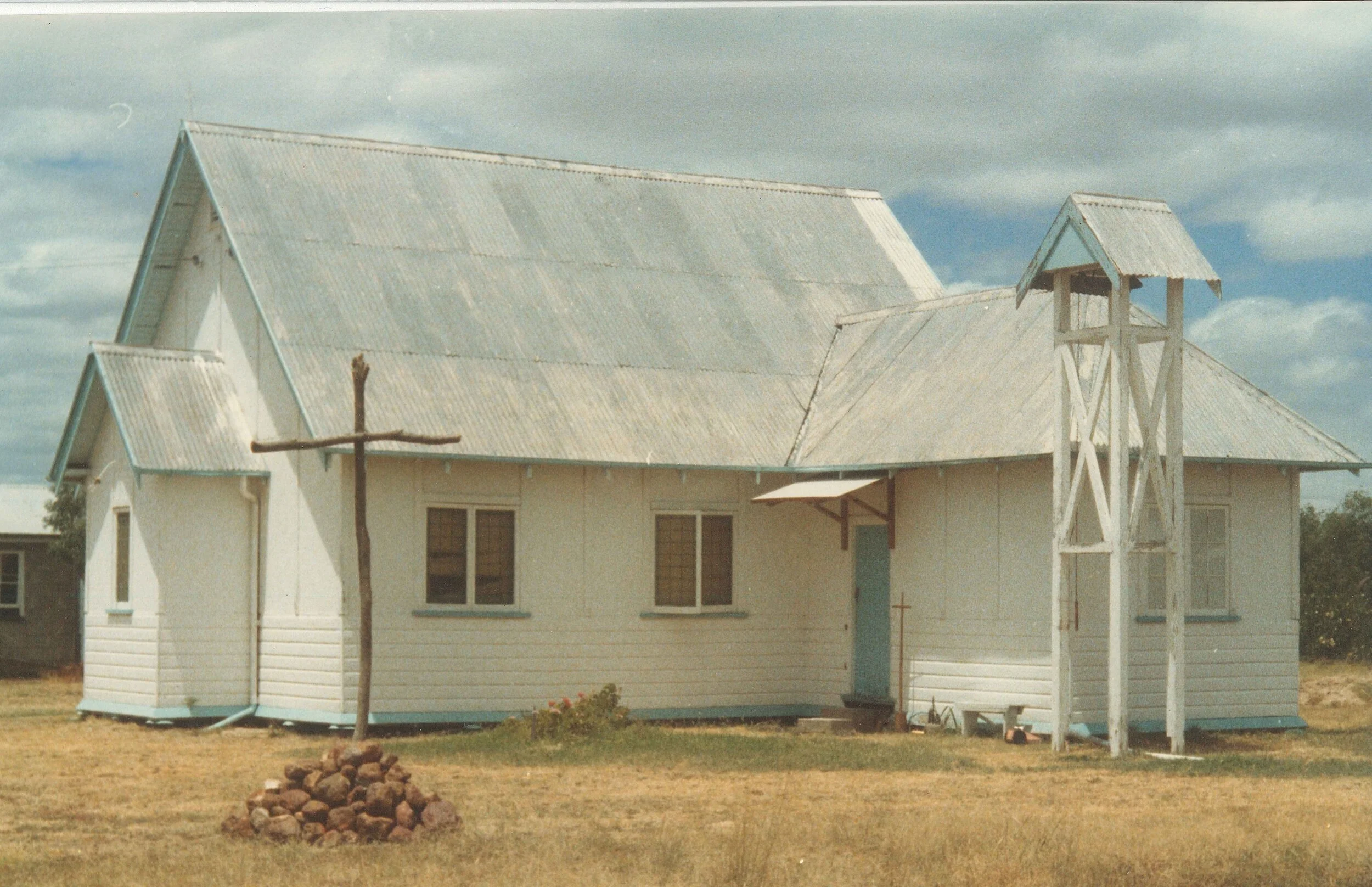
Burials
First Nation Peoples
The staff of the Archives acknowledges the Yagarabul Nation as the First Peoples of the land we work and walk on.
The staff acknowledge their continued survival and spiritual connection to country and surrounding land, sky, water and sea.
The staff pay their respects to their Ancestors and Elders, past and present.
The Records and Archives Centre does hold Parish records which contain details of First Nation peoples. Examples include the parish church registers for Kilkivan from 1903, Nanango from 1900, Gayndah from 1860, Stradbroke Island from 1952 and Hervey Bay from 1905. The collection also includes publications and reports of the Anglican Board of Mission (Qld Branch) which (while they only infrequently mention First Nation peoples by name/s) do chronicle the history of the ABM and the influence missionaries had on the lives of First Nation peoples.
The Archives does not hold specific files on individuals. If an individual was placed in a Children’s Home managed by the Diocese of Brisbane, the Archives may hold a record (see section on Children’s Homes for details on how to access records).
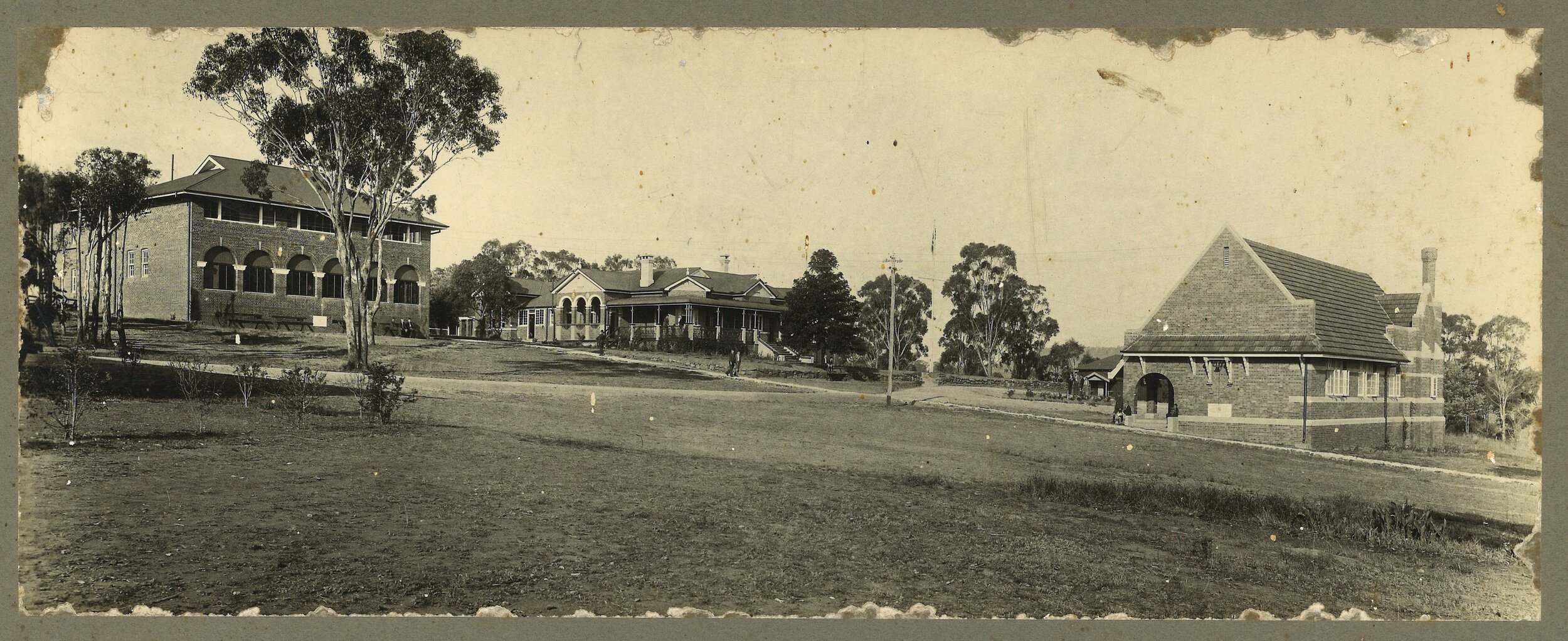
The Archives does hold some student records from The Slade School (Warwick), where many First Nation children enrolled from the early 1980’s to the late 1990’s. Contact the Archives through the online form to enquire as to records of the school.
For details on accessing Anglicare services and information on the Reconciling Histories Project, please click on the following link:
https://anglicaresq.org.au/about-us/advocacy/reconciling-histories/
For information on the Diocesan Reconciliation Action Plan and related resources, please click on the following link:
https://www.anglicanchurchsq.org.au/reconciliation
The archival records of the Diocese of Carpentaria and the Diocese of North Queensland are held in Townsville. Please click on the following link:
https://www.anglicannq.org/governance/archives-and-records
For access to records held by the Queensland State Government, please click on the following link:
https://www.qld.gov.au/atsi/cultural-awareness-heritage-arts/family-personal-history
Children’s Homes
The Anglican Diocese of Brisbane has been responsible for several Homes (Children and Mothers), predominantly in the Brisbane or South-East Queensland Area. Some of these were run by other organisations prior to the transfer of governance to the Diocese. In general, most homes are now run by the Community Services Commission (Anglicare).
The Records and Archives Centre holds some of the administrative records created by the governing bodies of these homes. The records do contain some personal information relating to residents in the homes, although most of this information is limited in nature, noting the name and (sometimes) the date of admission. Not all records of homes have survived – there have been instances in the past where records have succumbed to flood and fire while still in the custody of the Home.
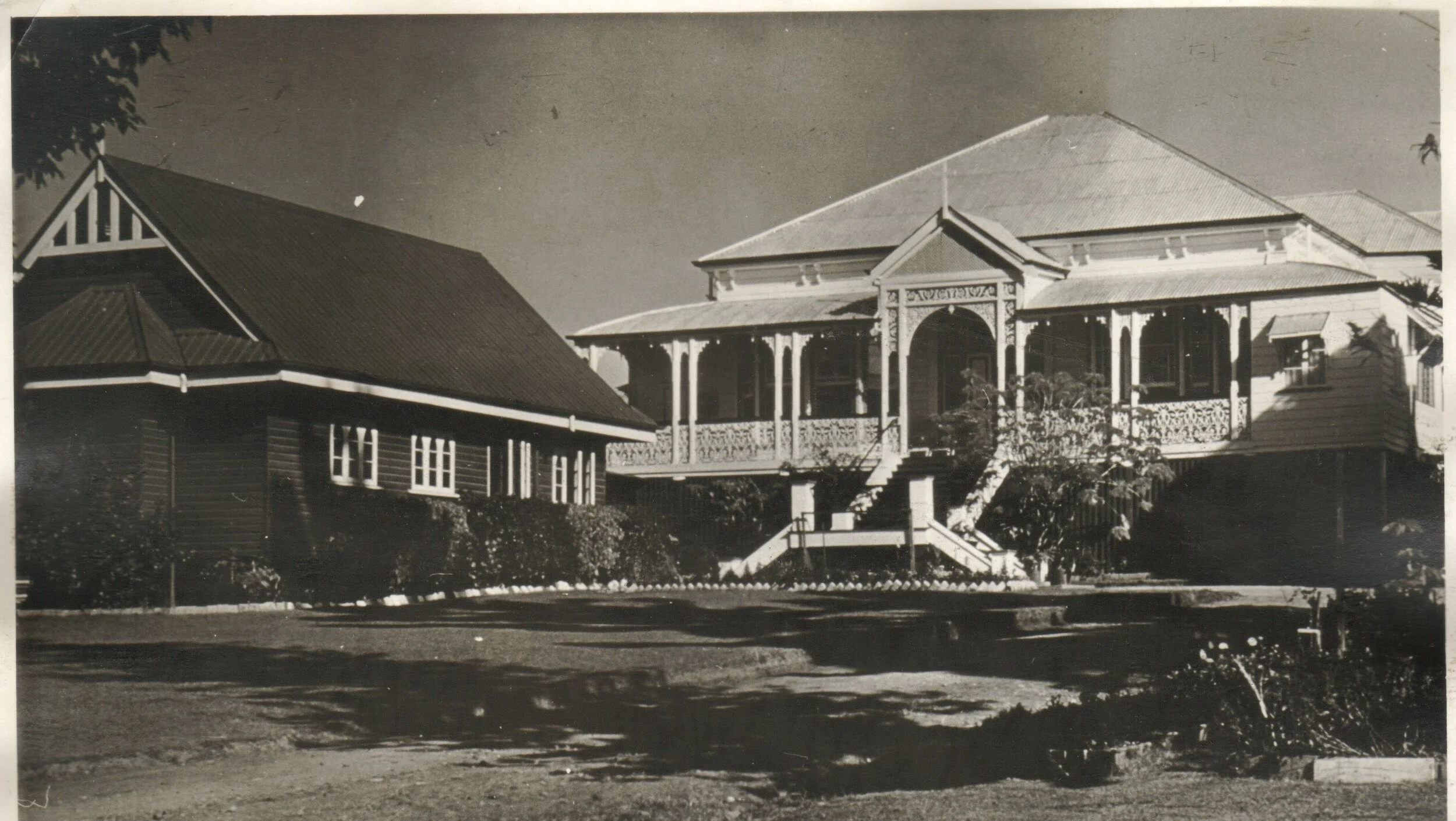
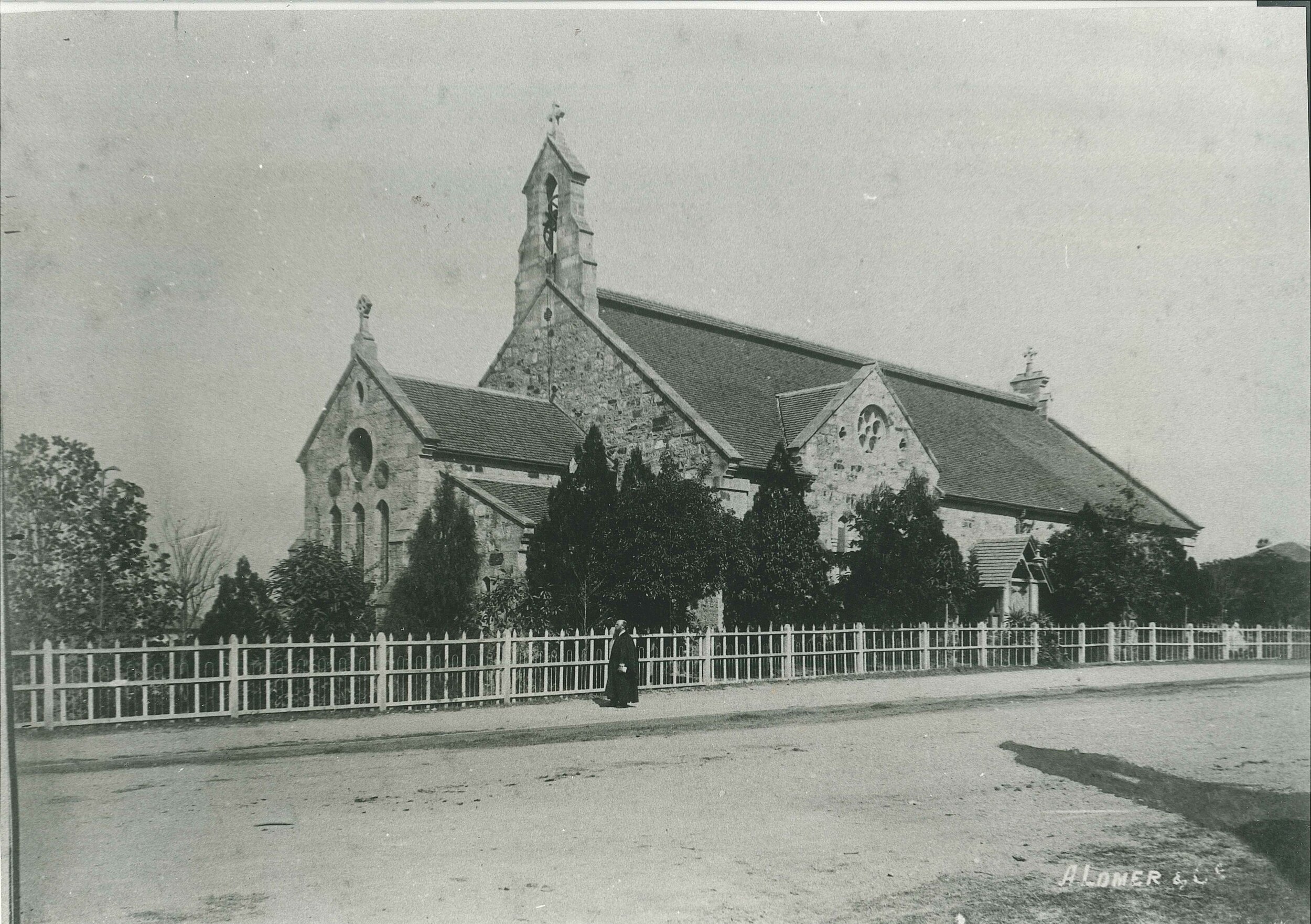
Tufnell Home and Chapel
The main Homes that the Archives holds records for are:
Church of England Boy’s Home (Enoggera);
Tufnell Home (Nundah);
St. Mary’s Home (Toowong - Women’s Shelter].
Former Residents (or their next of kin) can apply for copies of records which refer to them and their time at the home. There will usually be no charge for this research. For data protection purposes, applications are required to include two forms of current identification which includes one’s date of birth. For next of kin, documentation which shows your direct link to the resident should be included.
Legal representatives or guardians are required to complete a statutory declaration (signed by the former resident) that you are requesting records on behalf of the former resident.
Applications should be forwarded (in writing) to:
Anglican Records & Archives Centre
GPO Box 421
BRISBANE QLD 4001
Documentation can also be forwarded to our email address: archives@anglicanchurchsq.org.au
Support services for accessing documents can be obtained through the following:
Lotus Place (a part of Find and Connect).
Support services for reading documents can be obtained through the following:
Requesting a Record
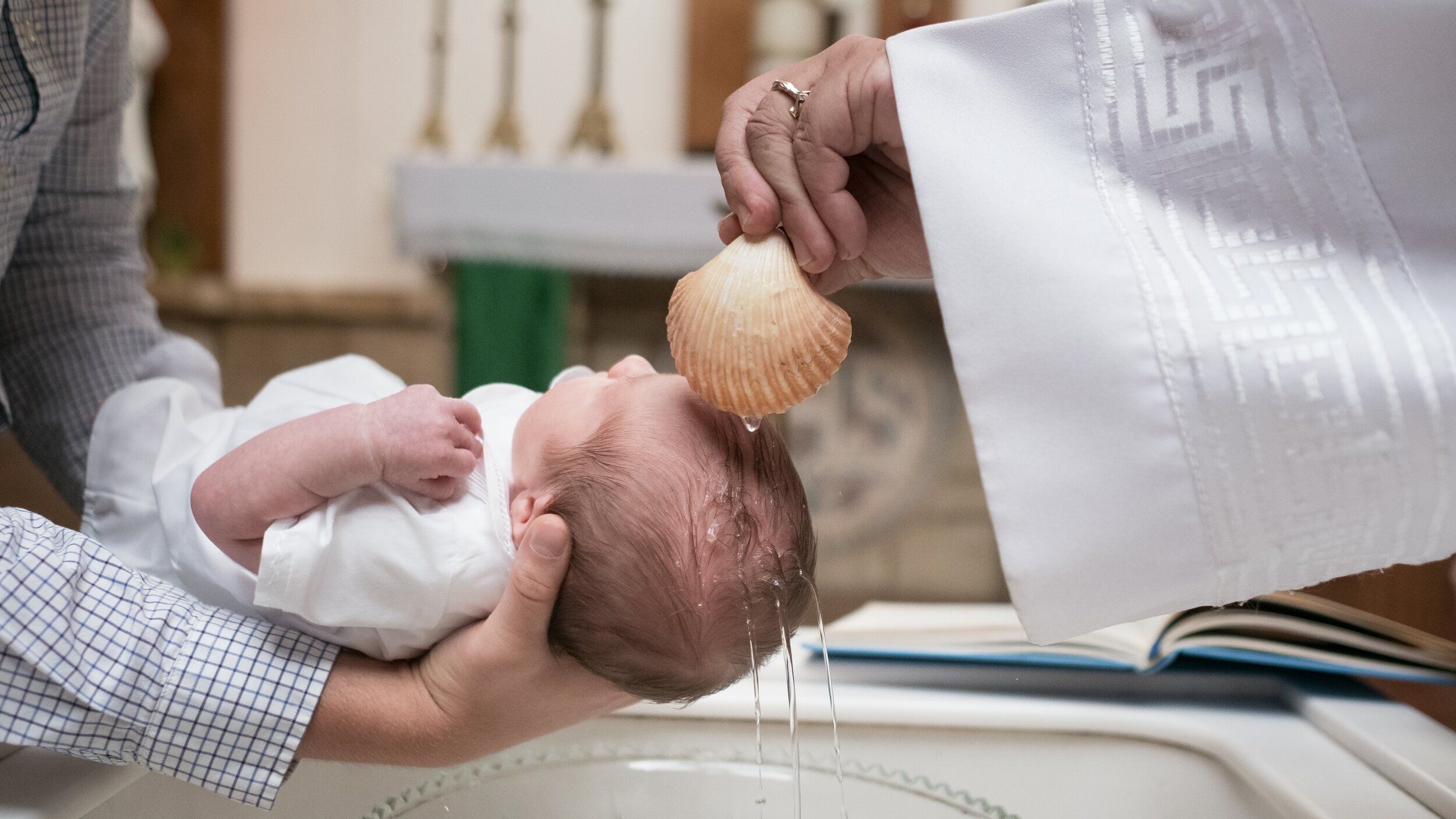
The Records and Archives Centre holds the majority of baptism, marriage, confirmation and burial registers created by the Diocese of Brisbane for the 19th and 20th Centuries.
Members of the Public can apply for a replacement certificate by completing the appropriate request form and forwarding to the Archives (with copies of identification) by post or email. Details regarding payment etc are in the respective forms.
Certain registers for the later part of the 20th Century (and the 21st) may still be held by the responsible Parish. Members of the Public are encouraged to contact the relevant Parish Office prior to contacting the Records and Archives Centre to confirm retention and location of the relevant register.

Contact Us
Complete this form or contact the Anglican Records & Archives Centre using the below details:
Anglican Records & Archives Centre
417 Ann Street
Church House
Brisbane Qld 4000
P: +61 7 3835 2333
E: archives@anglicanchurchsq.org.au
Postal:
Anglican Records & Archives Centre
GPO Box 421
BRISBANE QLD 4001